The Ultimate Guide to HEMA-Free BIAB: Why It Matters for Sensitive Skin
If you’ve ever finished a fresh set of gel nails only to find your cuticles itching, redness creeping around your fingertips, or tiny, annoying blisters forming, you aren’t alone. In the nail industry, we are seeing a significant rise in contact dermatitis, often linked to one specific ingredient: HEMA.
As Builder in a Bottle (BIAB) continues to dominate the Irish nail scene for its incredible strengthening properties, the shift toward HEMA-Free BIAB is the most important upgrade you can make for your nail health.
What Exactly is HEMA?
HEMA (Hydroxyethyl Methacrylate) is a monomer used in many traditional gel polishes and builders to help the product adhere to the natural nail. It’s effective because it creates a strong bond, but it has a "small molecular size."
Because the molecules are so small, they can easily penetrate the skin barrier if the product is over-applied or touches the surrounding skin. Once it enters the skin, your immune system may flag it as an "invader," leading to a lifelong allergy.
Why HEMA-Free BIAB is a Game Changer
Switching to a HEMA-free formula means using larger molecules that cannot easily penetrate the skin. At Belle Beauty, we believe you shouldn't have to choose between strong nails and healthy skin.
1. Reduced Risk of Sensitisation
By removing HEMA, you significantly lower the chance of developing an allergy. This is vital for DIY users who may occasionally get product on their cuticles while perfecting their technique.
2. The Same Rock-Solid Strength
A common myth is that HEMA-free means "weaker." That is no longer true. Modern HEMA-free BIAB formulas offer the same high-viscosity, self-leveling, and "hard-as-nails" protection as traditional builders. (Curious about the basics? Check out our Pros and Cons of Builder Gel vs BIAB).
3. Better for "Lifters"
Sometimes, "lifting" isn't caused by poor prep; it’s a mild inflammatory response from the nail bed rejecting a harsh chemical. Many of our customers find that switching to HEMA-free actually improves their manicure longevity.
Signs You Might Have a HEMA Sensitivity
If you notice any of the following, it’s time to soak off and switch to a HEMA-free system:
-
Itching: Intense itching during or after the curing process.
-
Redness/Swelling: Inflammation around the eponychium (the skin at the base of the nail).
-
Dry, Peeling Skin: Skin that looks "burnt" or excessively dry around the fingertips.
-
Onycholysis: The nail plate beginning to lift away from the nail bed.
Pro-Tips for Applying HEMA-Free BIAB
Because HEMA-free formulas behave slightly differently, your prep is more important than ever.
-
Perfect the Prep: Use a high-quality dehydrator. Since HEMA-free products don't "etch" into the nail as aggressively, a clean, oil-free surface is essential for bond. Read our Guide about Nail Primer & Dehydrator for the best results.
-
The "Apex" is Everything: When using BIAB to grow your natural nails, ensure you build a proper apex (the highest point of the nail) to prevent breakage at the stress points.
-
Clean Curing: Always ensure your lamp is high-powered and your hands are positioned correctly to ensure every molecule is fully polymerised.
Managing Your Nail Health
If you are transitioning to a HEMA-free routine, remember that the "soak-off" is just as important as the application. Ripping or scraping BIAB off can thin the nail plate, making it even more sensitive to chemicals. Always follow our Step by Step Guide to Removing BIAB to keep your natural nails in peak condition.
Final Thoughts
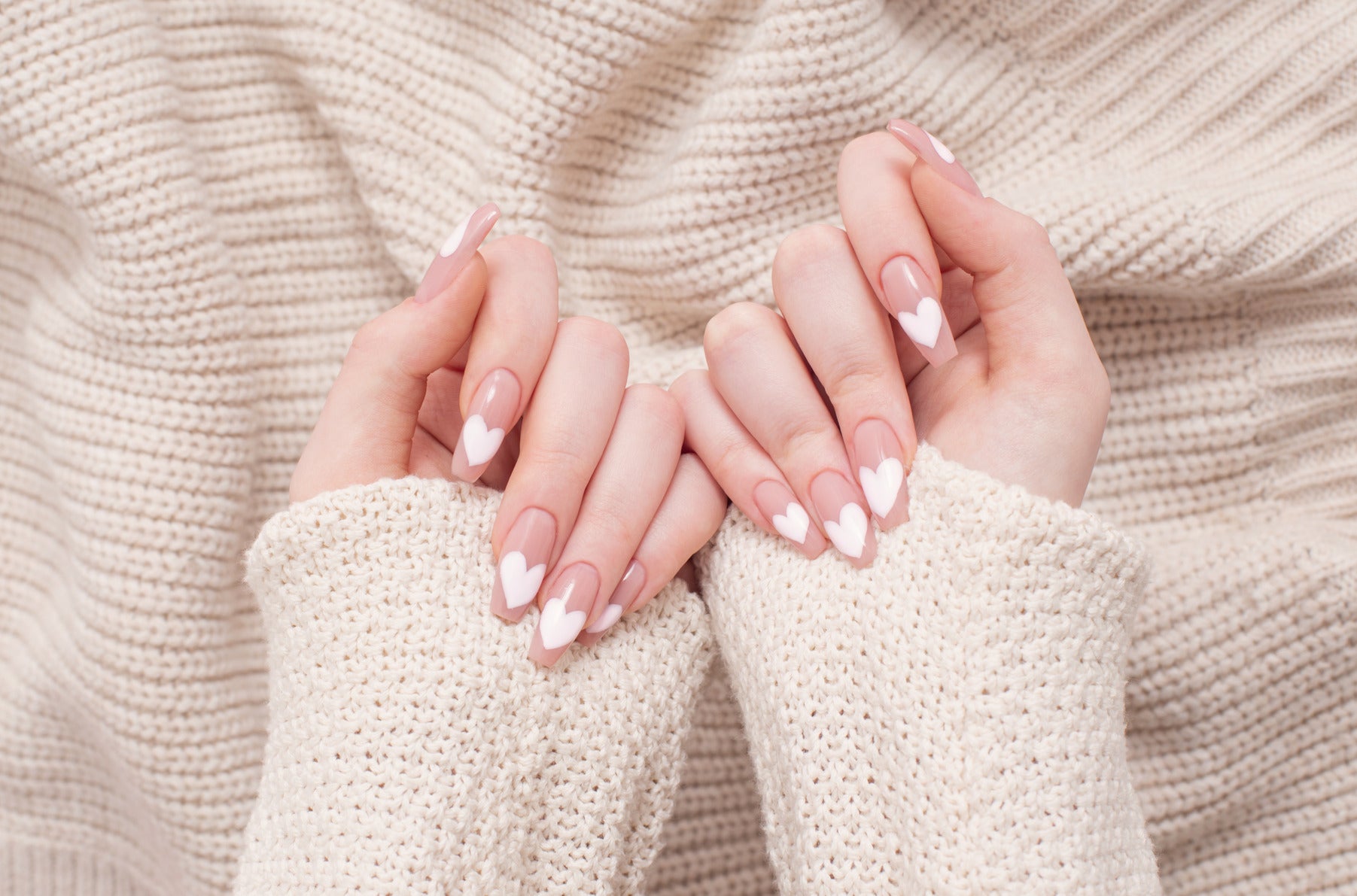
Whether you are a professional tech or an at-home enthusiast, the move to HEMA-free is an investment in your future. You can still have the Pinterest-worthy "Clean Girl" aesthetic or the latest trends without compromising your skin's safety.
Ready to make the switch? Shop our HEMA-Free BIAB Collection here and give your nails the care they deserve.